HN-X1 · mmWave radar vital-signs monitoring and health alerts
Invisible care that never sleeps
A 60 GHz millimeter-wave radar with AI watches over falls, breathing and heart rate around the clock - with nothing to wear and no images captured. Compliant with China's MZ/T 238-2025 industry standard.
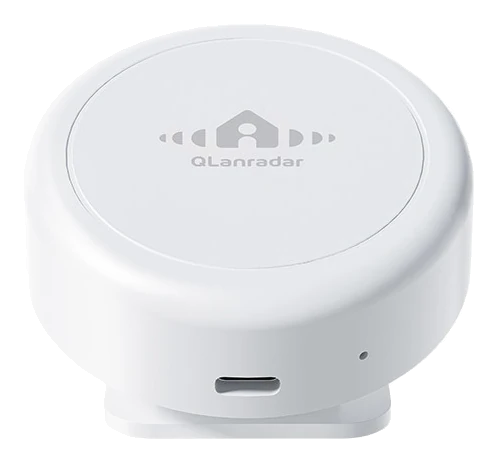
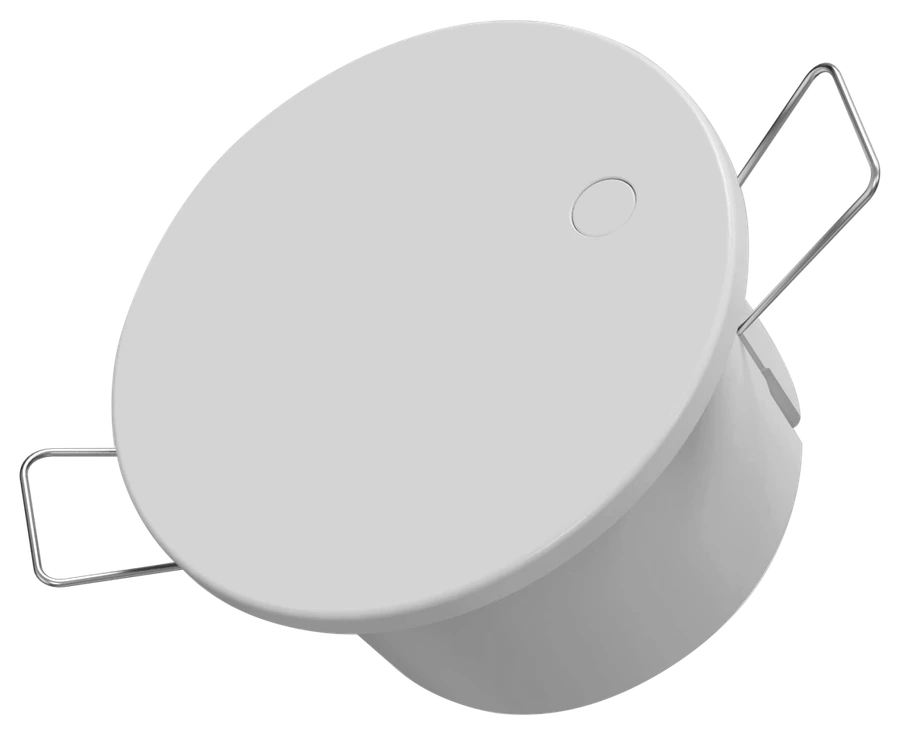
Partner product · TsingLan Technology · QLanradar
Why millimeter-wave
Protects daily life without intruding on it
Cameras invade privacy and wearables get left on the nightstand. Radar reads the faint reflections of the human body: no picture to see, nothing for anyone to remember.
Contactless
Nothing to wear and nothing to notice. The device stays out of daily life, sleep and movement.
Zero images
It outputs point clouds only - never images or video - so it can be installed in bathrooms and bedrooms.
AI health alerts
AI builds a personal health baseline and compares long-term trends to flag anomalies early, moving from response to prevention.
Meets every standard indicator
Fall false-positive rate ≤ 5% and miss rate ≤ 8%; respiration and heart-rate accuracy validated against medical multi-parameter monitors.
Four core functions
From a single fall to every breath
Fall detection
Up to three people in the detection zone. A fall is flagged as suspected within 1–5 s and confirmed after 30 s on the floor (adjustable), then alarms persist on several channels until a caregiver handles it.
MZ/T 238-2025 indicators
Respiration and heart rate
Continuous real-time respiration and heart rate within the bed zone (≤ 3.5 m from the radar). Alerts below 8 or above 24 breaths/min and below 50 or above 90 bpm; breathing pauses of ≥ 20 s are recorded as apnoea and pushed.
MZ/T 238-2025 indicators
Presence and position
Real-time occupancy for up to three people, with room and bed entry and exit events that trigger configurable alerts - fewer night-time check-ins, less disturbance.
MZ/T 238-2025 indicators
AI sleep analysis
Vital signs from 20:00 to 08:00 become a daily 08:00 report: sleep score, deep and light sleep, times out of bed, the AHI apnoea index and periods of abnormal breathing or heart rate.
AI
Alert flow
From suspicion to resolution
Once a fall is confirmed, three channels alarm at the same time and keep alarming until a caregiver has handled it.
Specifications
A compact body, a professional radar
Hardware
- Dimensions
- 70 × 70 × 27 mm
- Weight
- 83.1 g
- Operating temperature
- -10 °C to 45 °C
- Power
- 5 V USB DC / 220 V adapter
- Consumption
- < 4.0 W average
- Connectivity
- 2.4 GHz Wi-Fi
- Protection
- IP65
- Mounting
- Ceiling 2–3 m / wall 1.5–1.6 m
Radar
- Frequency
- 60.5–62.5 GHz (FMCW)
- Bandwidth
- 2 GHz
- Field of view
- H ≥ 120° / V ≥ 90°
- EIRP
- 11 dBm
- Antenna
- 4T4R
- Tracking
- 0–3 people
Certifications
- Industry standard
- MZ/T 238-2025 · Ministry of Civil Affairs
- Radio
- SRRC · GB 8702-2014 / EMC
- International
- CE · FCC · RoHS · SAR
- Ingress
- IP65
Deployment
About 15 minutes per room
No structural work. Ceiling or wall mount, room by room.
Home care
Bedroom
Home care
Bathroom · IP65
Senior care facility
Multi-bed room
Hospital ward
Bedside monitoring
Smart hotel
Guest-room safety
FAQ
FAQ
Does it take photos or video?
No. HN-X1 outputs point clouds only and captures no images or video, so it can be installed in bathrooms and bedrooms.
Who gets the alert?
After a confirmed fall, a web-portal voice broadcast, a WeChat Mini Program pop-up and an automatic phone call to the bound number go out together, and keep going until a caregiver handles it.
How accurate is it?
Per MZ/T 238-2025: fall false positives ≤ 5%, misses ≤ 8%, alert latency ≤ 1 minute; respiration and heart rate ≥ 85% accurate within 5 minutes, within 5% of the reference plus 1 per minute, validated against medical multi-parameter monitors.
How many people per room?
Up to three tracked at once, position precision ≤ 50 cm; respiration and heart rate are measured for a bed within 3.5 m of the radar.
How is it installed and connected?
Ceiling at 2–3 m (≥ 16 m²) or wall at 1.5–1.6 m (≥ 12 m²), more than 50 cm from the wall with tilt under 3°, in about 15 minutes and without structural work. 2.4 GHz Wi-Fi; 5 V USB or a 220 V adapter, under 4 W on average.
Can it be used for medical diagnosis?
No. HN-X1 monitors and alerts in elderly care and is not a basis for medical diagnosis. In an emergency, contact a doctor or call emergency services.
Deploy HN-X1 for your family or facility
Pilots are open for home care, senior-care facilities, hospital wards and smart hotels. We reply within 1–2 working days.
Sources: National Bureau of Statistics of China, 2025 statistical communiqué (population aged 60+); China CDC National Center for Chronic and Non-communicable Disease Control and Prevention, Chinese Journal of Epidemiology 2017, 38(10) (falls as the leading cause of injury death at 65+); the 2026–2030 Injury Prevention and Control Action Plan by the National Disease Control and Prevention Administration and 14 other departments lists fall prevention for older adults among its five special actions. Product figures: HN-X1 product manual V1 (2026). HN-X1 is for monitoring and alerts in elderly care and is not a basis for medical diagnosis.